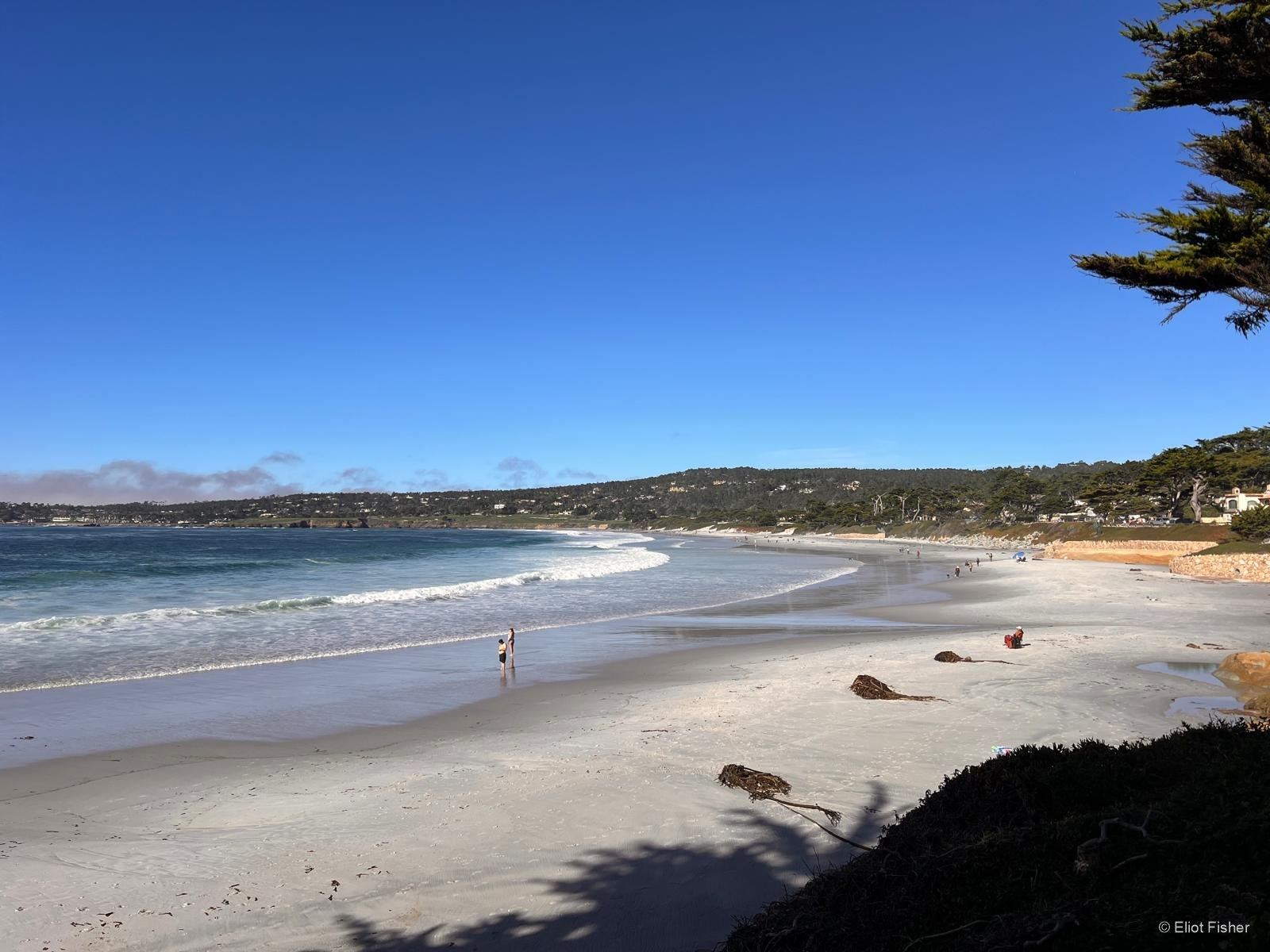
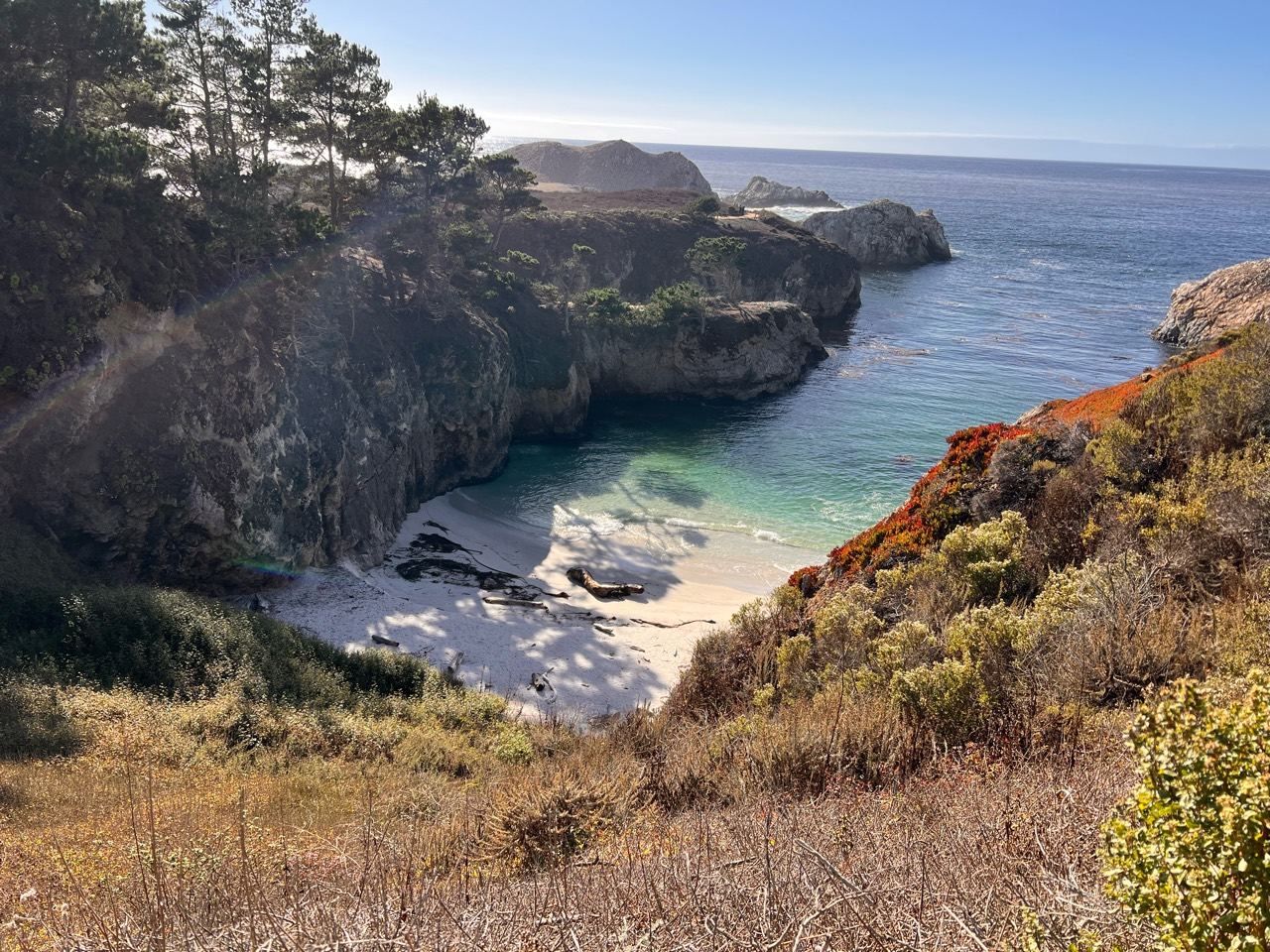
Eliot’s photograph of a sheltered cove between cliffs

Services

Start with the task.
Build around it.

Most projects start with something slow or confusing: scattered evidence, rules people find too late, paperwork nobody wants to fill out. Each service below starts with that problem.

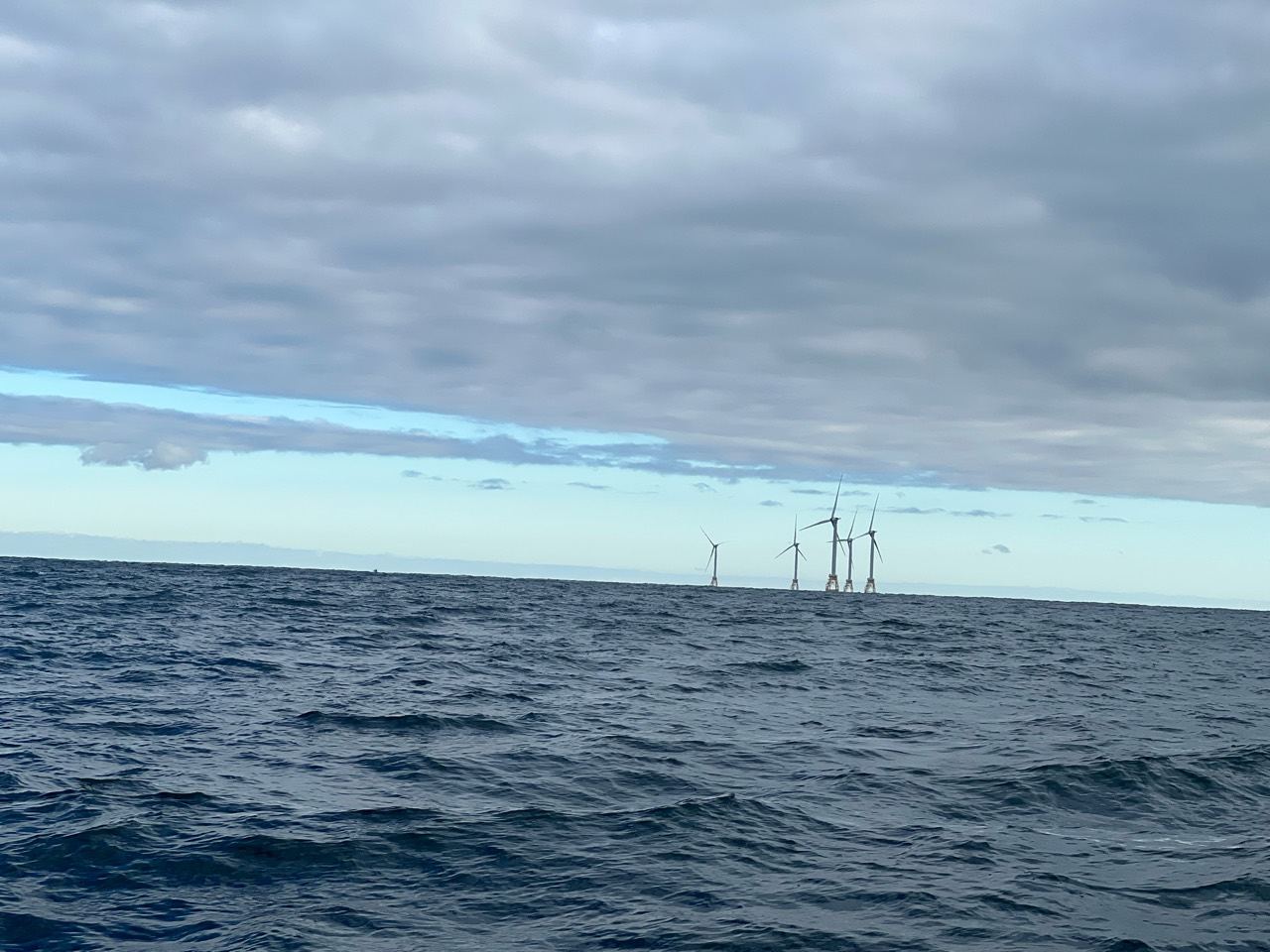
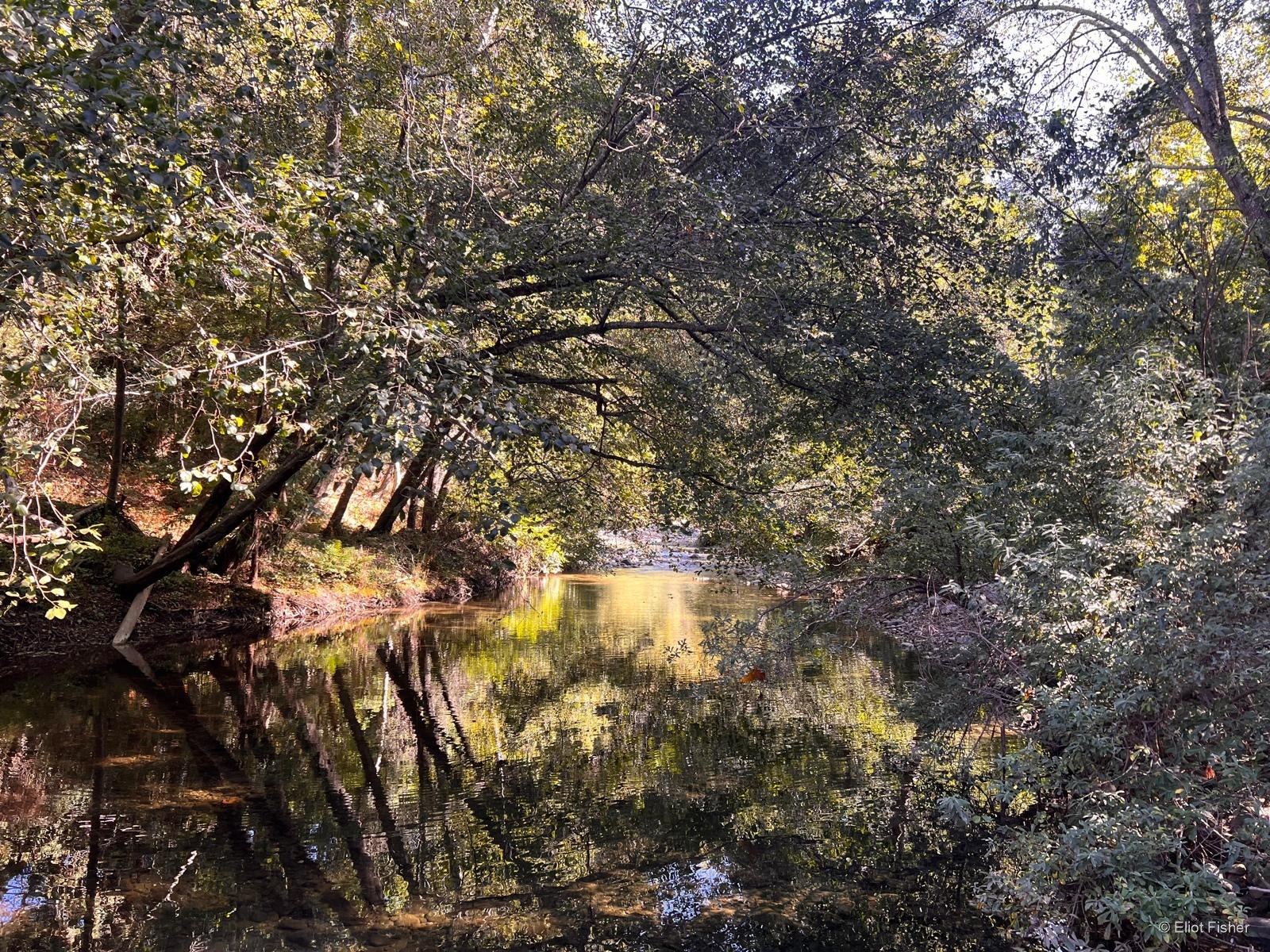
Pelicans flying low over a coastal kelp forest, photographed by Eliot FisherA winding road along a misty coast, photographed by Eliot FisherRows of crops beneath a blue sky, photographed by Eliot FisherOffshore wind turbines beneath a cloudy sky, photographed by Eliot FisherTrees leaning over a still creek, reflected in the water, photographed by Eliot Fisher

Five services

Find the problem
that sounds familiar.

Research & evidence

Make the case in two pages.

You need to make the case to a funder, board, or legislative office, and the evidence is scattered across reports nobody has time to reread.

Short, source-linked briefs and organized evidence your team can review, share, and keep using. Ocean Evidence Commons brings findings into a shared library, with every claim tied to its source.

Evidence libraries · Research organization · Source-linked information

See the work: Ocean Evidence Commons
Websites & data tools

Help people find what they need.

The information people need exists, but it is buried in PDFs, scattered across sites, or found too late to help.

Websites and searchable tools built around what people need to find. From ROMEOCEAN and OceanObs’29 to Atlas property research, the goal is useful information at the moment it matters.

Organization websites · Searchable resources · Custom information tools

See the work: Atlas, ROMEOCEAN, and OceanObs’29

Reporting workflows

Make the required form easy.

A required form is so confusing that people put it off, fill it in wrong, or never file at all.

Guided intake, automatic checks, and reviewable exports built around records you already keep. Grape Crush connects those steps for agricultural reporting, with a person reviewing the result before filing.

Structured intake · Validation · Workbook exports

See the work: Grape Crush

AI & workflow advising

Start where AI actually saves time.

You know AI could save your staff time, but not where to start or which outputs to trust.

A practical assessment of where automation can help, followed by a workflow your staff can check. The COL digest collects and ranks policy updates; staff decide what deserves attention.

Workflow assessment · Automation · Human review

See the work: COL Weekly Legislation Digest

Maps & spatial analysis

Start with a place.

Someone needs to know what applies to a specific parcel, shoreline, or watershed, and the answer is split across maps, codes, and records.

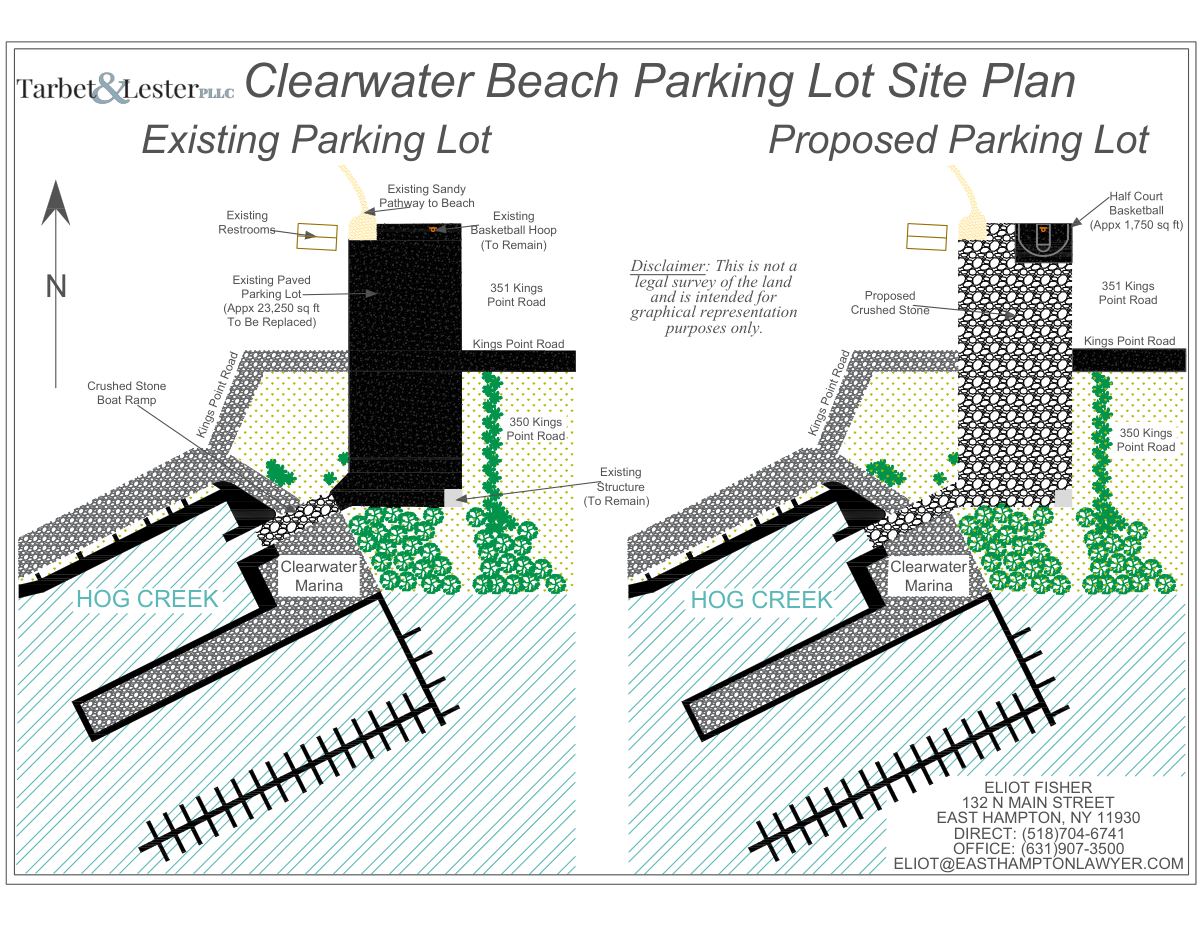
Maps and site plans that connect a place with its records, conditions, and rules. The Clearwater Beach proposal used a permeable-paving design to support a funded grant application.

Site plans · Spatial overlays · Parcel research

See the work: Clearwater Beach site plan
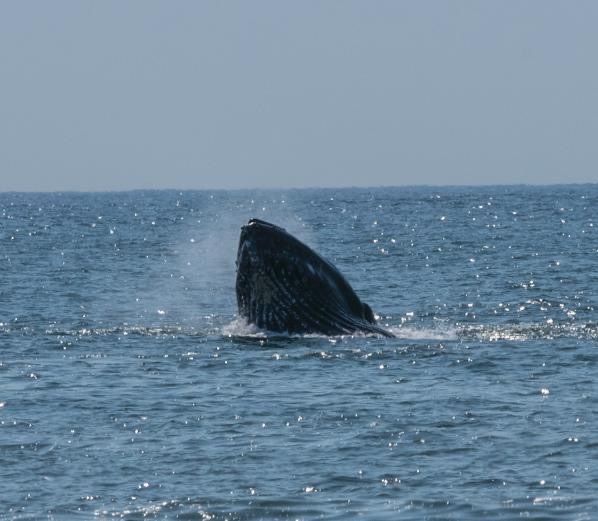
  1. A whale at the ocean surface

    Focused projects

    A defined piece of work with a clear finish: a research brief, a policy memo, an evidence review, a data analysis, or a map set.

    When you know the question and need it answered well.

  2. A winding coastal road

    Build projects

    Design and build a website, searchable resource, or workflow tool around the task people need to complete, documented so your team can keep it running.

    When information is hard to find, share, or report.

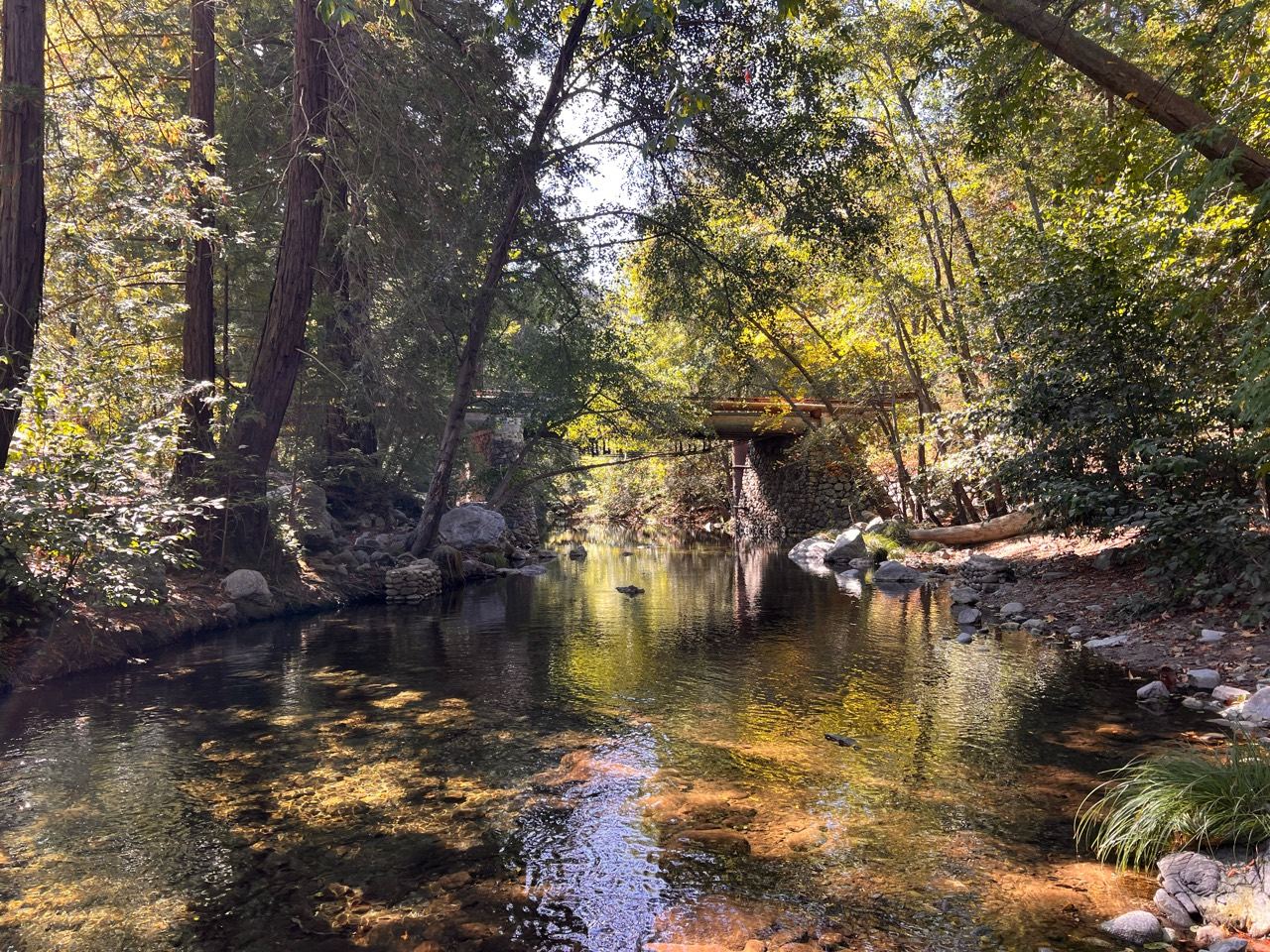
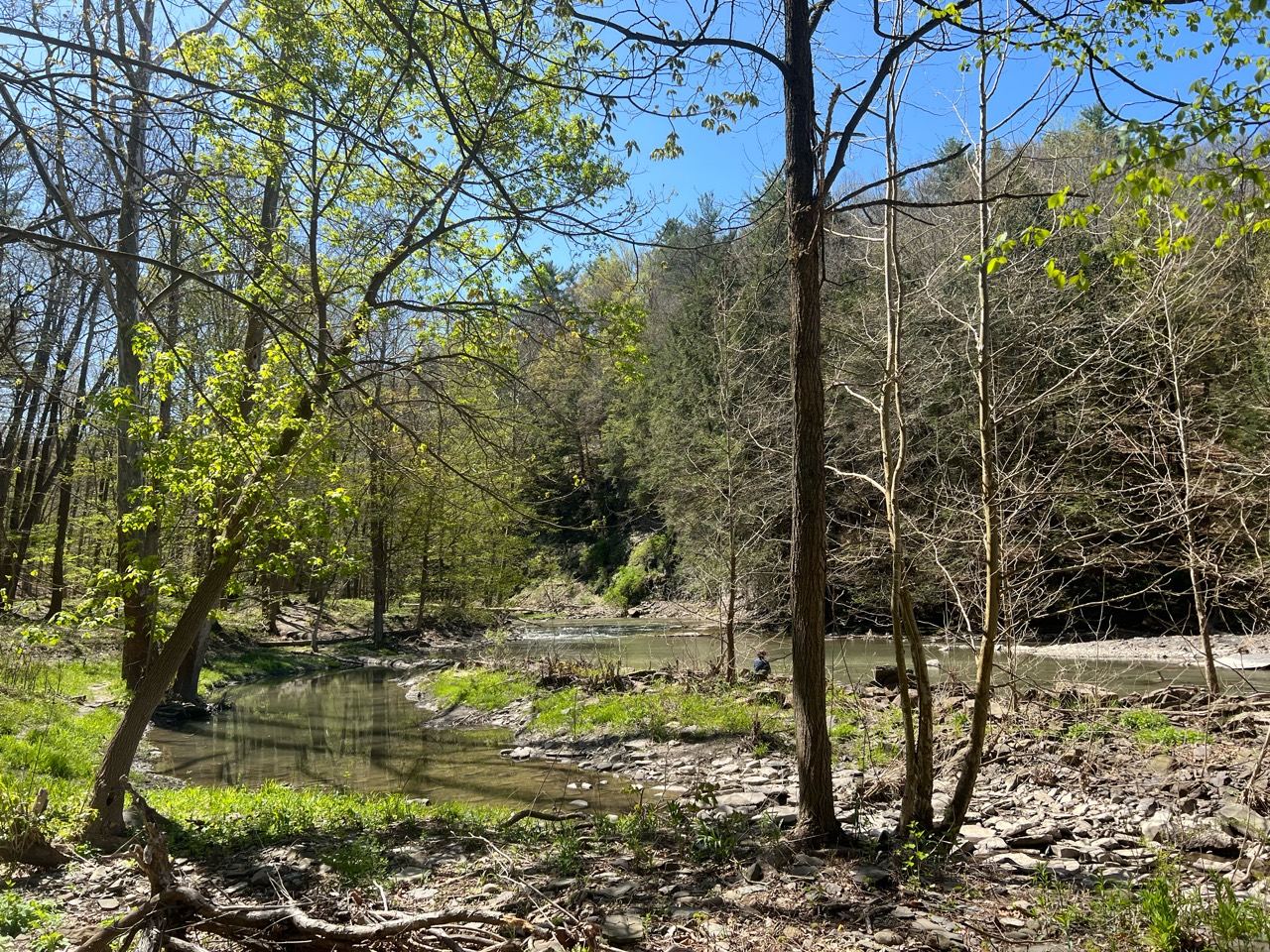
  3. A woodland stream in spring

    Ongoing support

    A set amount of time each month for updates, data refreshes, research, and small improvements to tools you already rely on.

    When the work keeps going after launch.

  4. Clearwater Beach parking lot site plan

    Second opinions

    A second set of eyes on a data, mapping, or digital project: what to collect, what to build, what to buy instead, and where the risks are.

    When you want to make a good decision before committing.

  5. A creek running through woodland

    Teaching & workshops

    Hands-on sessions on organizing research and evidence, working with data and maps, and practical AI tools, built around your team’s own materials. Available in English or Spanish.

    When your team should be able to do more of it themselves.

Eliot’s photograph of a pebble beach at sunset

How a project works

Four steps,
no surprises.

  1. 01

    Conversation

    Tell us what you’re working through and share the materials you already have: records, maps, reports, or the process that keeps getting stuck.

  2. 02

    Scope

    We write a short proposal covering deliverables, timeline, what we’ll need from you, and a quote, so we agree on the work before it starts.

  3. 03

    Build & review

    The work happens in stages, with drafts you can react to before anything is final.

  4. 04

    Hand off

    You get the finished work with notes on sources, limits, and how to update or maintain it.

Every engagement is quoted after scoping, based on what the work actually requires.

Start with a conversation
A footbridge crossing a forest creek

Start with a conversation

Not sure which
service fits?

Describe the problem instead. We’ll suggest the shape of the work, from a single brief to ongoing support.

Discuss a project Or email contact@dataangler.org