Step 1 of 4
Gather a source
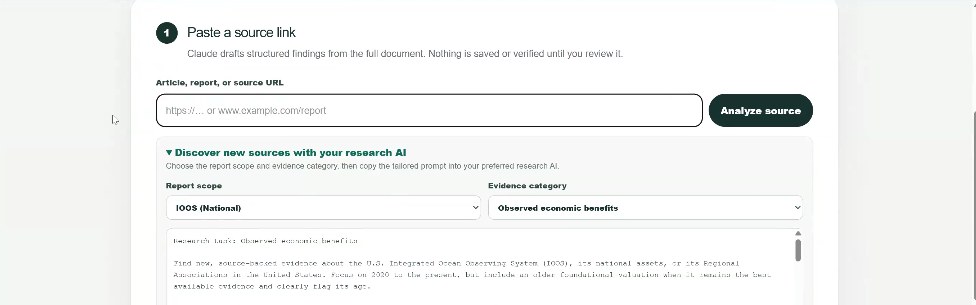
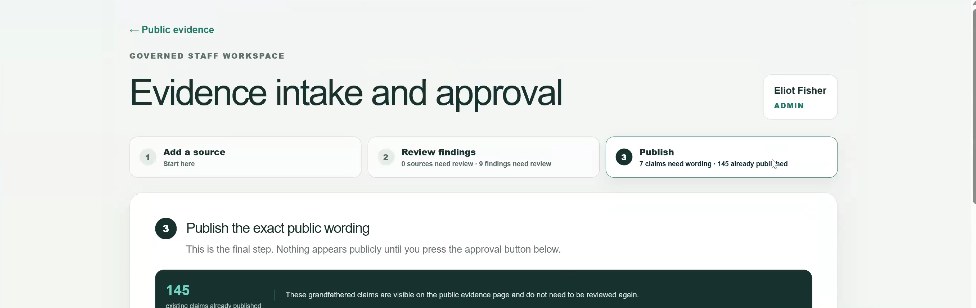
Add the publication and let AI suggest candidate findings to start from.


Ocean observing · Research & evidence
Short, sourced briefs on why ocean observing matters, for congressional staff.
Request a live demoIn brief
A regional ocean-observing network needed to show Congress why its work matters, in two pages, with every number able to stand up to scrutiny.
The problem
A regional ocean-observing network, part of the U.S. Integrated Ocean Observing System, wanted short briefs its congressional staffers could use: why the system matters, in one or two pages.
The evidence existed, but across dozens of studies with different methods and caveats. Without care, a modeled benefit gets repeated as an observed one, or a broad economic estimate gets credited entirely to ocean observing.
Keep “modeled” meaning modeled.
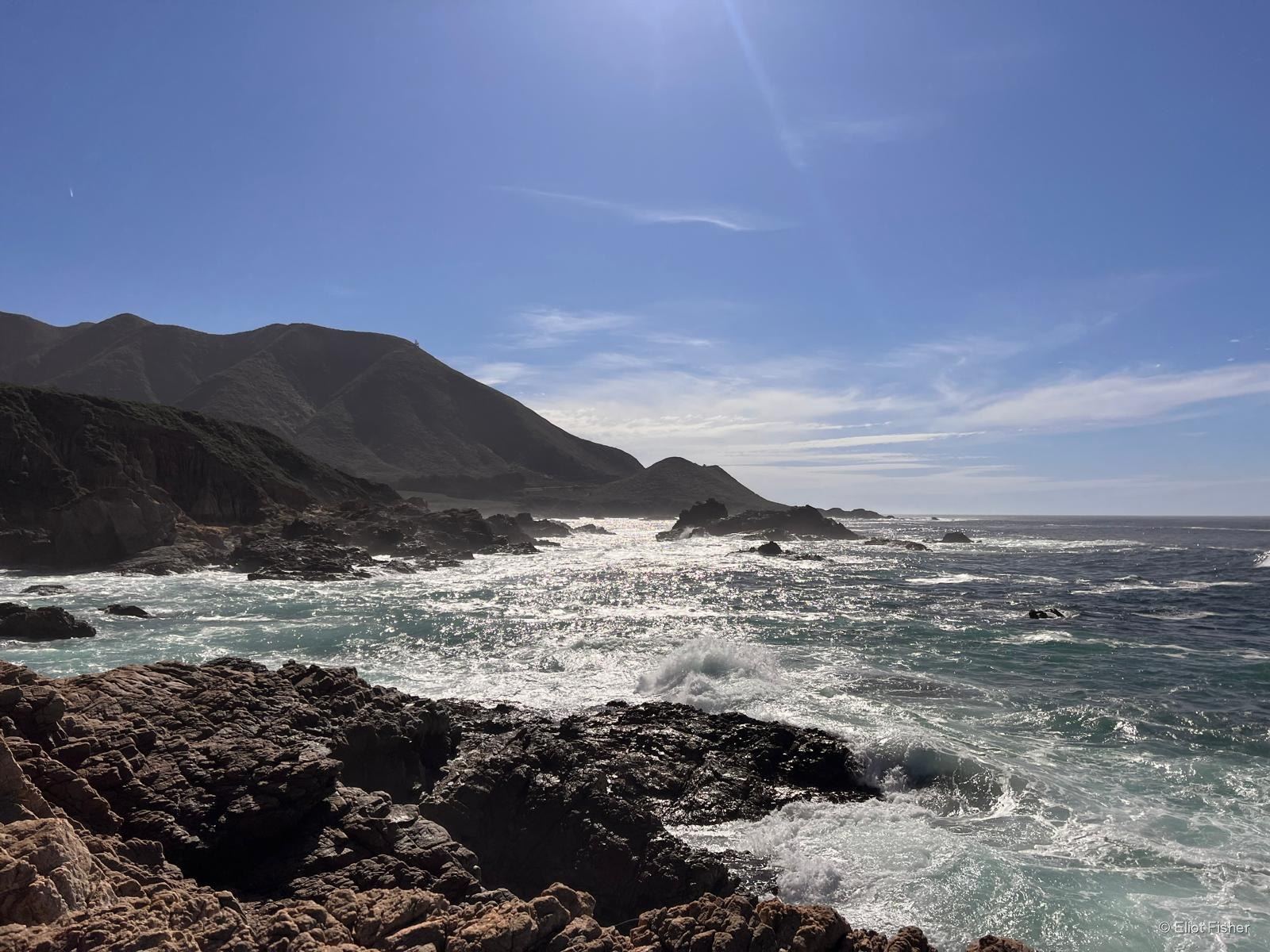
The approach
Step 1 of 4
Add the publication and let AI suggest candidate findings to start from.
Step 2 of 4
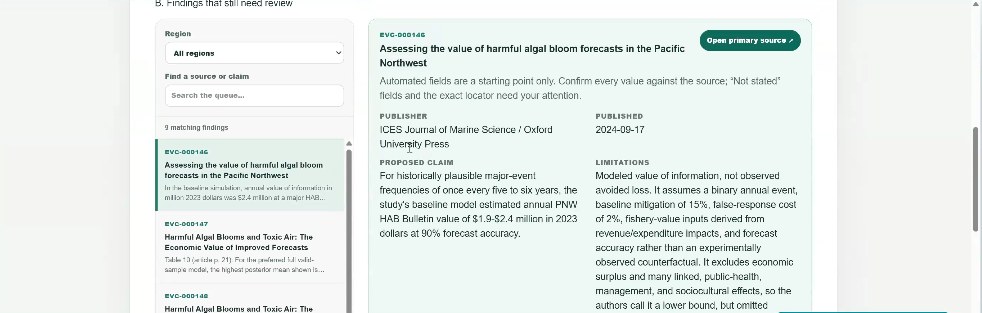
Check each finding against the original and record where it appears and its context.
Step 3 of 4
Record the value, unit, period, method, uncertainty, and how much is attributable to ocean observing.
Step 4 of 4
Write a usable statement that keeps its caveat attached, ready for a brief.
The result
The library was designed so COL’s team could keep building it together after the project ended.
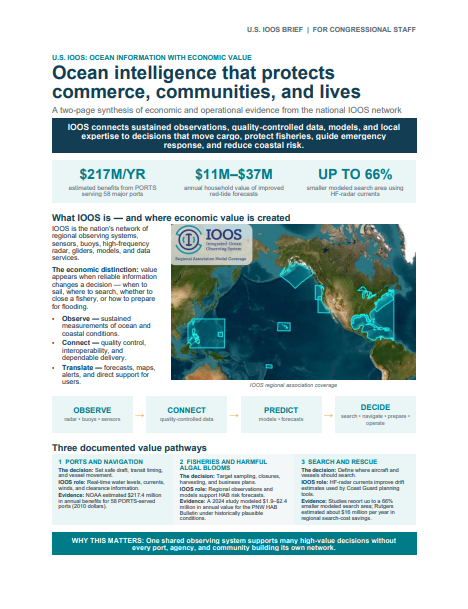
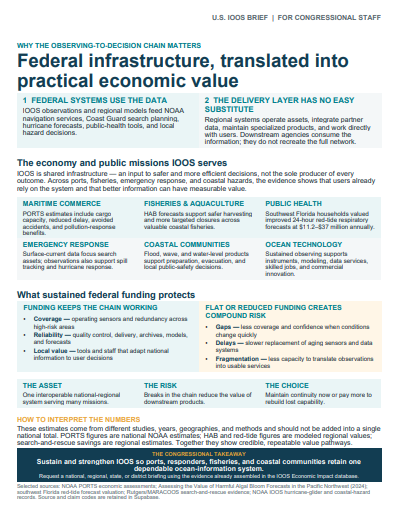
The reviewed evidence fed a two-sided congressional leave-behind for the regional network: headline numbers, short examples by sector, and every figure traceable to its source.
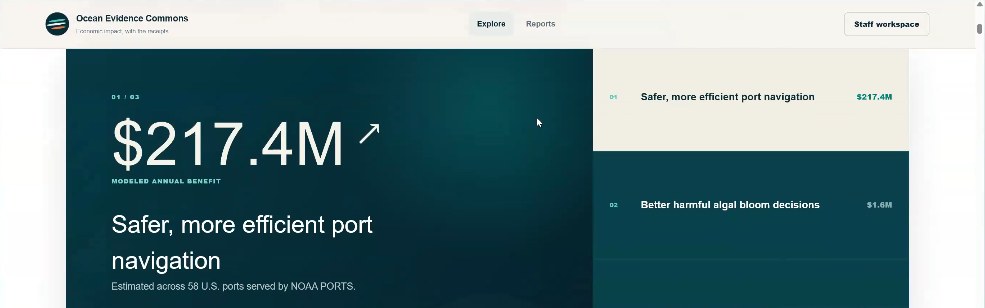
Inside the library
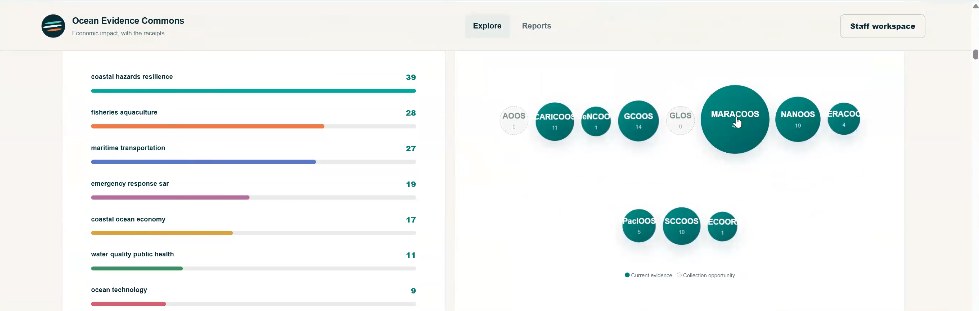
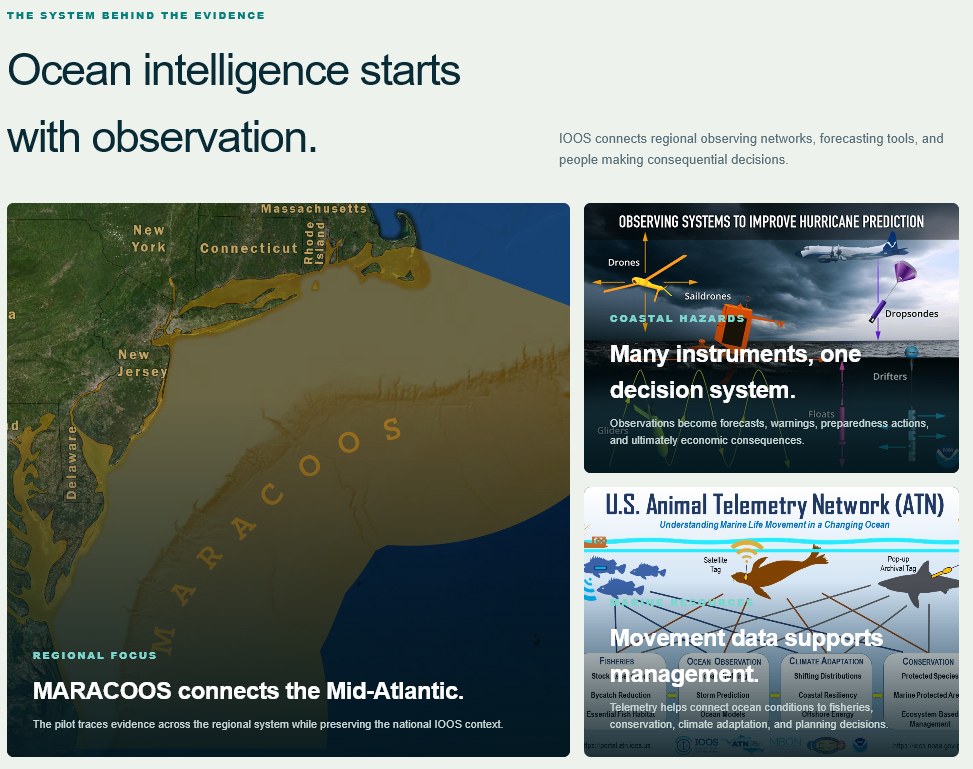
Where it stands
The review workflow is built and working: intake, source review, number checks, and claim approval. The library is offline for now, and we’re glad to walk you through a live demo. Briefs like the one above are generated from the reviewed evidence; regenerating them automatically whenever the library changes is not finished yet.